Nine plugins for mixing, mastering and sound design — each built around one specific thing it does that stock plugins and the well-known references don't. A mel-scale analyzer that gives the midrange the room it deserves, a dub delay with the filter inside the feedback loop, an oscilloscope rendered with real CRT phosphor decay, a four-band compressor whose parameters lock across bands, and the Alesis 3630 pump with the noise floor finally cleaned up. No knob-count arms race, just the tool you reach for when the obvious one isn't doing it.


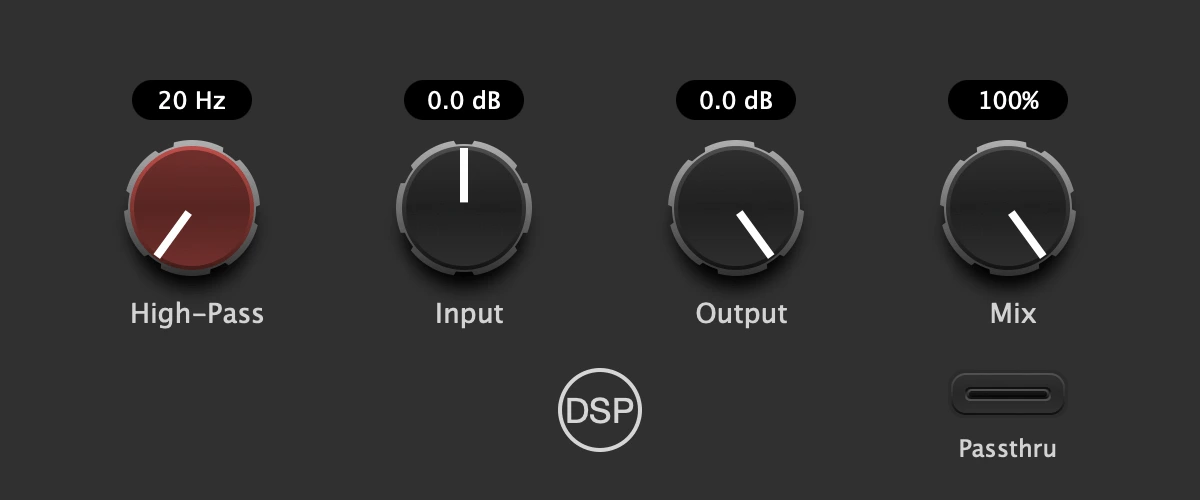
Multiband saturator and adaptive peak clipper. The clipper pre-filters before the soft-clip curve and restores highs afterwards, so it gains loudness on a master bus without the foldback fizz most clippers leave behind. For mix-bus loudness and drum bus glue.
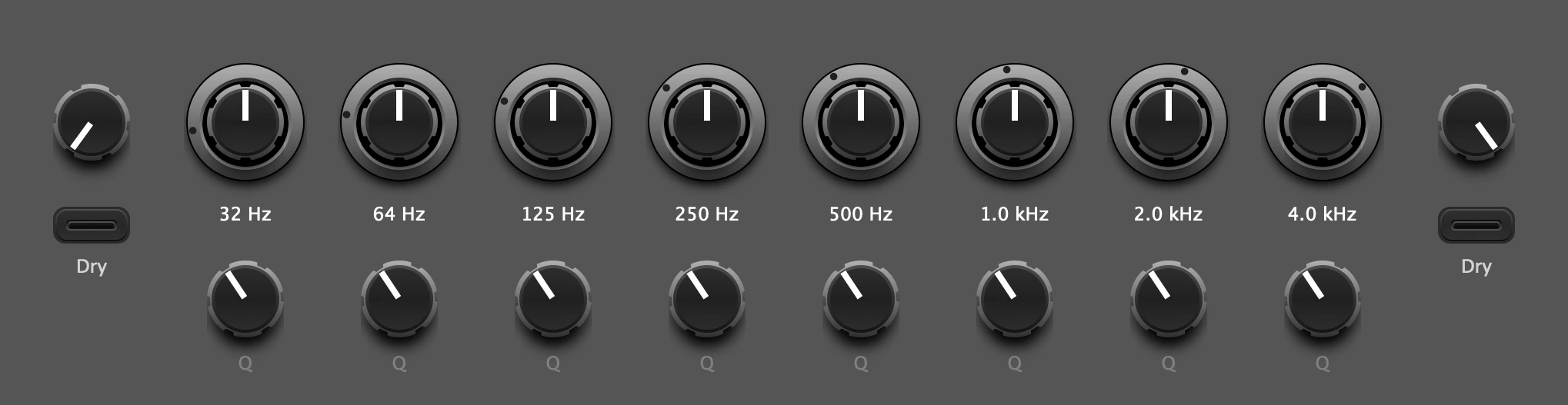
Ten-band parametric EQ — eight parametric bands plus dedicated HP and LP filters, ±18 dB, oversampled, low latency. A workhorse for mixing and corrective work when you'd rather have ten bands on one screen than reach for three plugins.

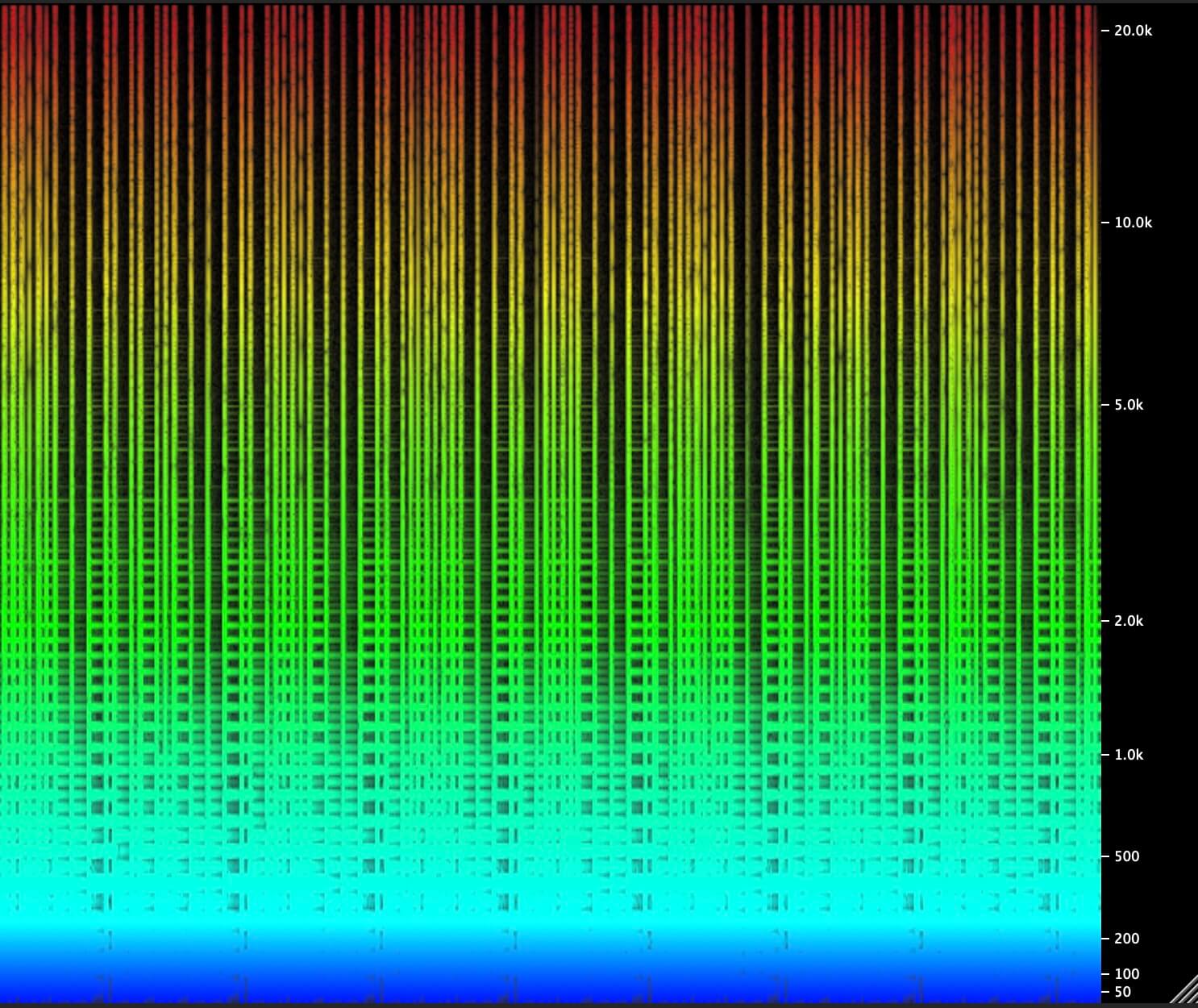
Spectral analyzer with mel-scale mapping — frequencies are spaced the way you hear them, not the way physics writes them, so the midrange you actually mix in gets the screen real estate. For engineers who find linear and log analyzers crowd everything important into a thin strip.
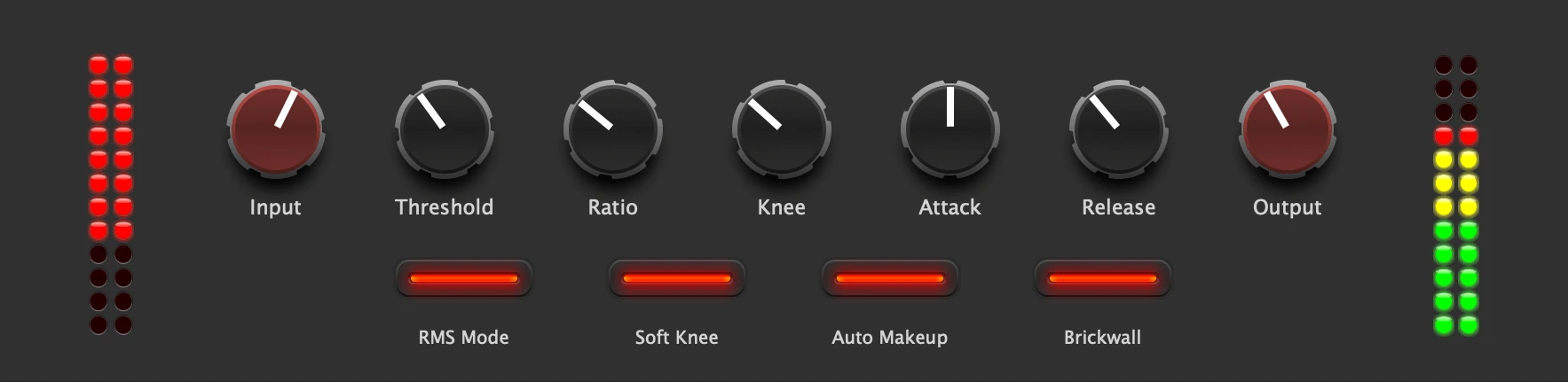
The Alesis 3630 — the $99 compressor on every late-90s French house record — without the noise floor or the digital nasties. Same pump, cleaner output. For producers who want that specific bus-pump character and don't want to pretend the 3630 wasn't where it came from.
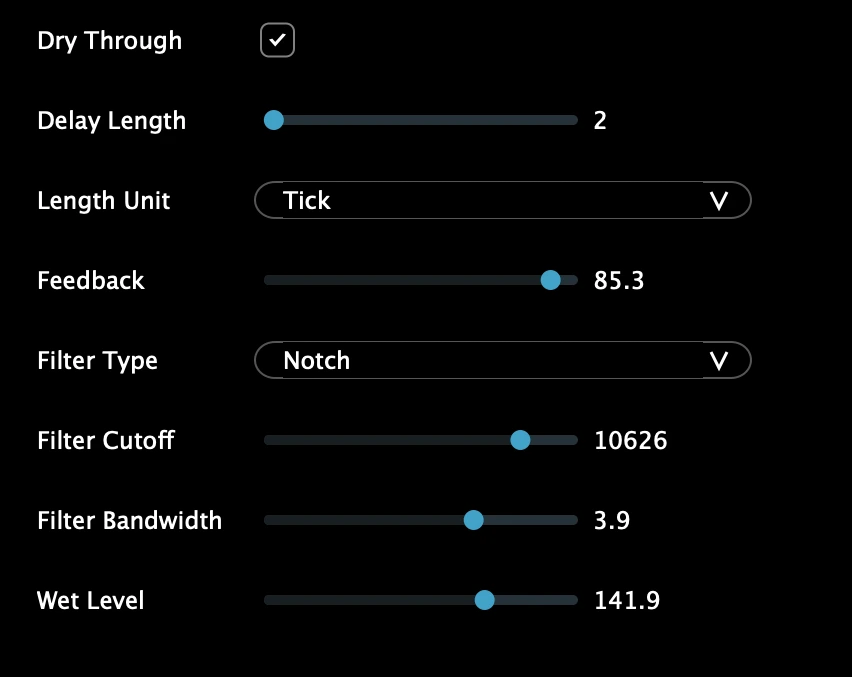
Dub delay with a filter inside the feedback loop, so each repeat is darker, brighter, or narrower than the last. Crank the feedback through a band-pass and it falls into spring-tank territory; back it off and it's a clean dotted-eighth. For dub, dance, and anyone who finds stock DAW delays too tidy.
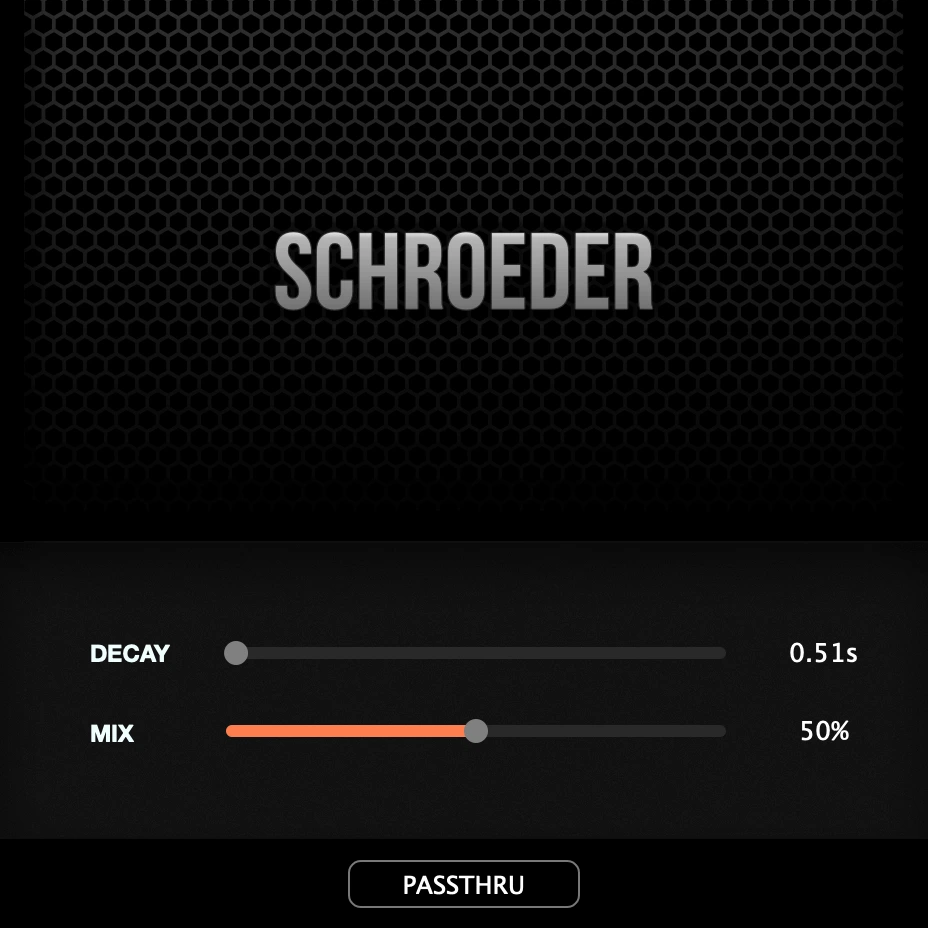
The original 1962 Schroeder reverb algorithm — the one every digital reverb descends from — running on modern oversampling so it doesn't alias the way the 80s units did. Two knobs: mix in percent, decay in seconds. For people who'd rather pick a tail length than navigate a 40-parameter algorithmic reverb.
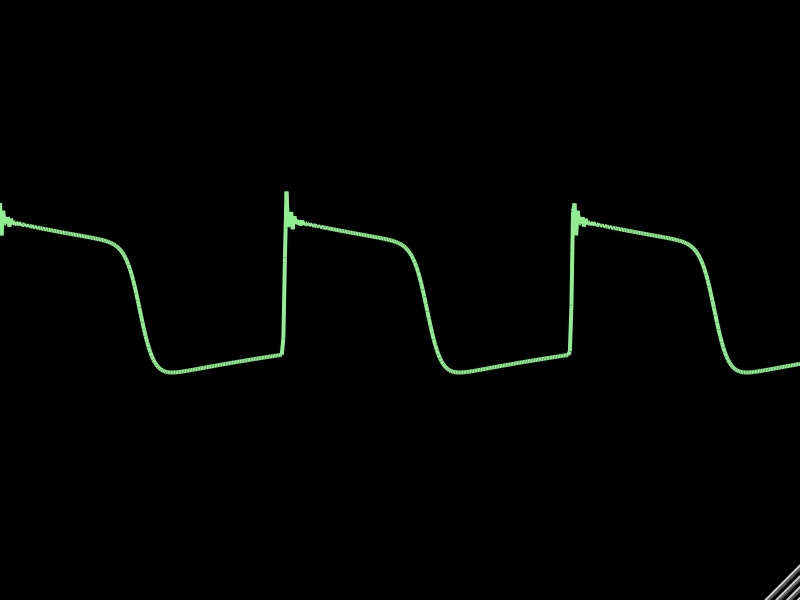
Oscilloscope rendered with the actual phosphor decay of a CRT — beam intensity falls off over time instead of redrawing every frame from scratch. Linear and circular modes. For livestreams, visualizers, and checking phase on a kick without staring at a sterile blue line.
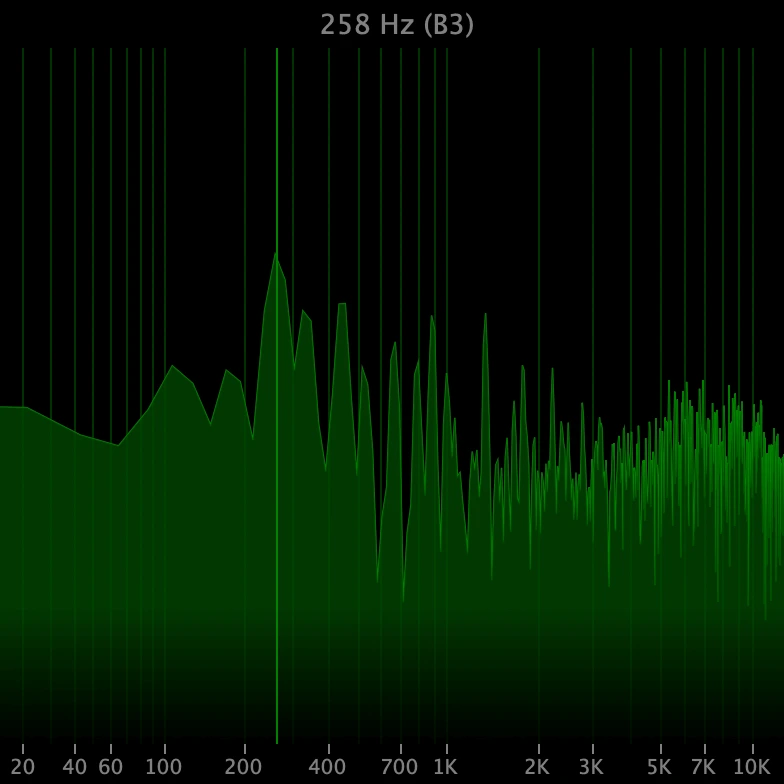
Conventional log-frequency FFT — the analyzer view you already know, sized to whatever screen real estate you can give it. The companion piece to the mel-scale FFT above when you want the standard view instead of the perceptual one.

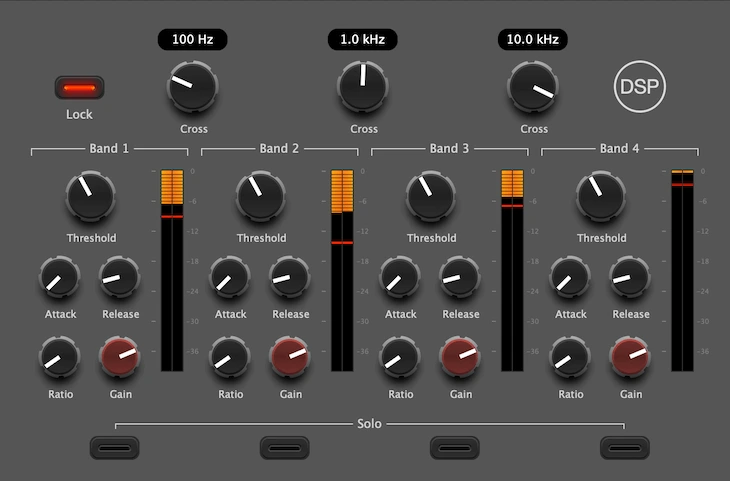
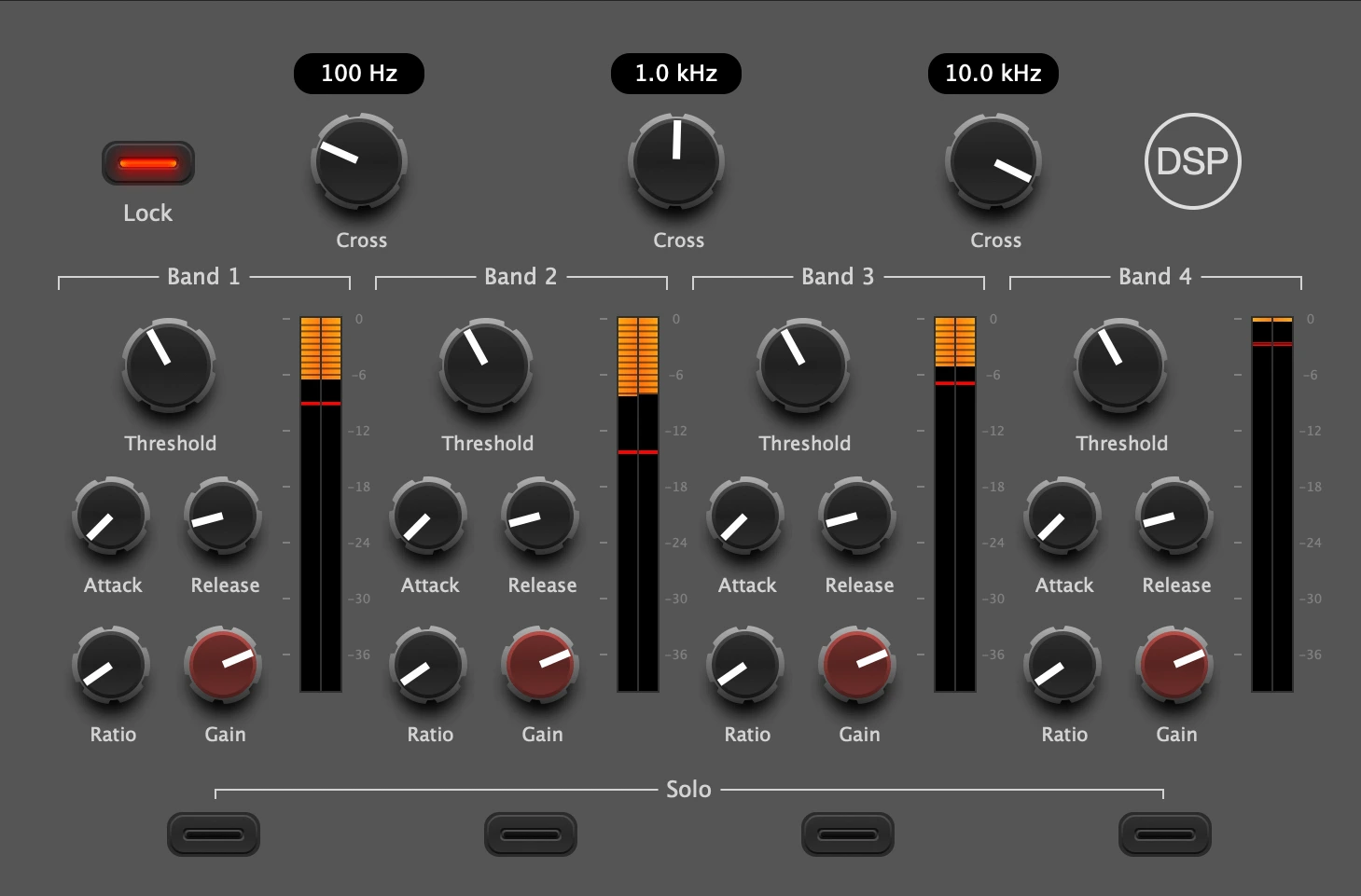
Four-band compressor with a Lock control that ties parameters across bands, so you can dial in one band's attack and release and snap the rest to it instead of setting twelve knobs by hand. Per-band solo for setup. For mastering and bus work where the usual multiband interface is the bottleneck.
Supported Formats
Universal Binary 2: Native Intel and Apple Silicon.
Standalone Application: No additional software required.
Apple Audio Unit. Steinberg VST. Steinberg VST3.






System Requirements
 Windows 10+. IntelIntel processors with AVX2 support:
 10.14+. Apple Silicon or IntelMacBook Pro: Late 2013+
 Debian 10+. IntelIntel processors with AVX2 support: