April 2, 2026
Bliss 3.8.4, Retromulator 1.3, discoLink released
We're pleased to announce updates to Bliss and Retromulator, plus the release of discoLink, an open-source cross-plugin data transport framework.
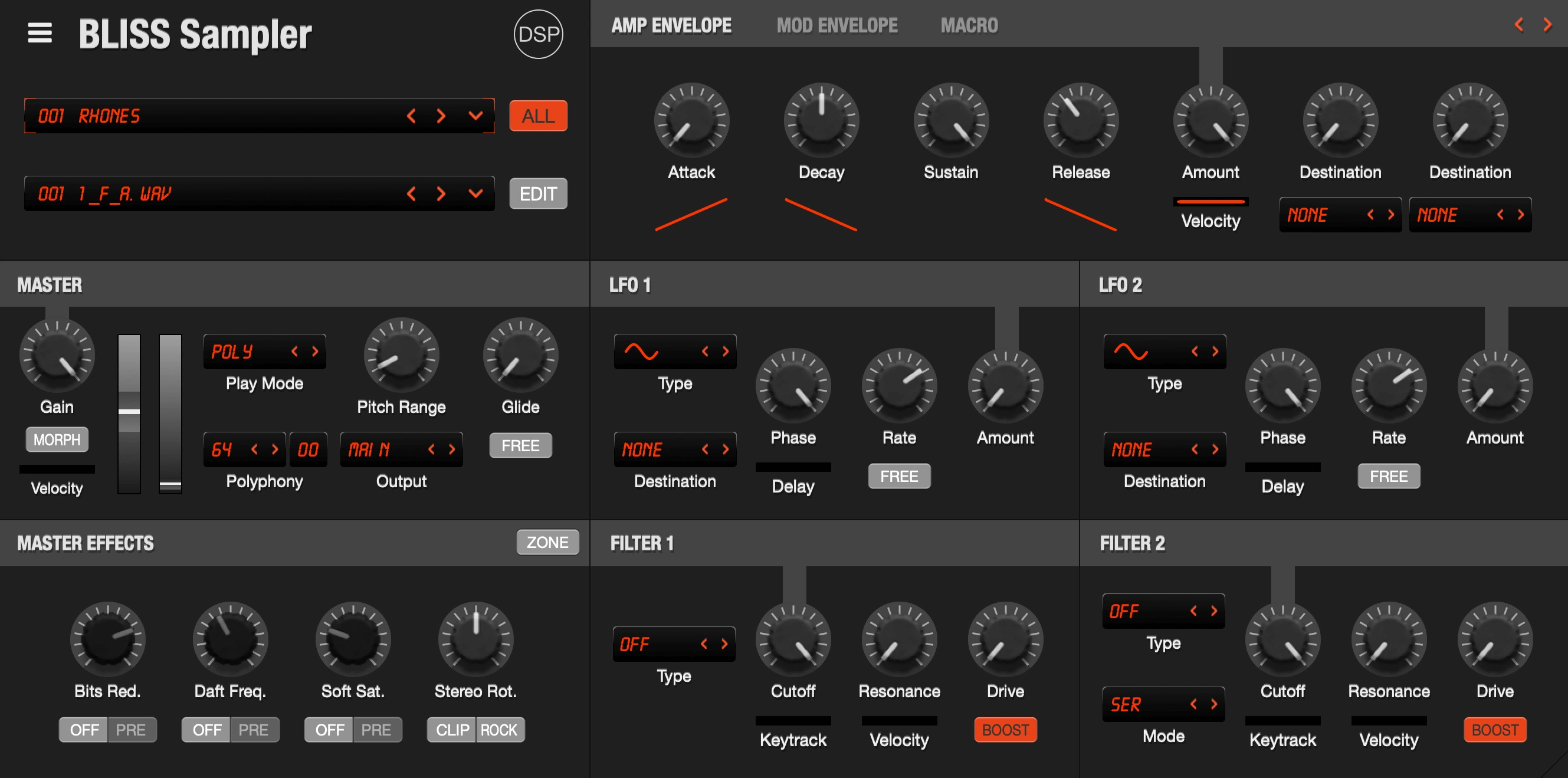
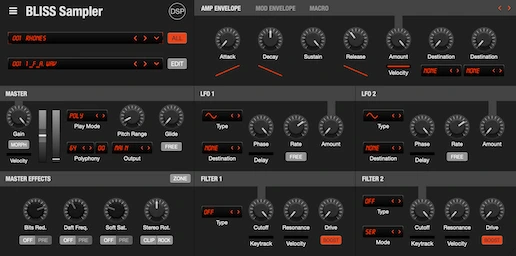
Bliss is a professional sampler with VST/AU and hardware instrument recording capabilities, Visual Key Mapper, built-in wave editor, and comprehensive format support including AKAI S1000/S3000/S5000/S6000, AKAI XPM (Keygroup), NKI, EXS, SFZ, SoundFont2, and CD-ROM disk images.
Version 3.8.4 adds Akai MPC Keygroup export, new scaling options, sample editor enhancements, and bank saving improvements.
New Features
Improvements
Bug Fixes
This update is free for all Bliss 2.x and 3.x customers.

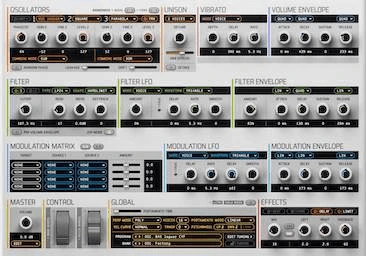
Retromulator is a multi-core retro hardware emulation plugin featuring ten classic synthesizer, sampler, and keyboard cores: Access Virus A/B/C, Access Virus TI, Waldorf microQ, Waldorf Microwave XT, Clavia Nord Lead 2X, Roland JP-8000, Yamaha DX7, Akai S1000, Wurlitzer 200A, and Yamaha OPL3.
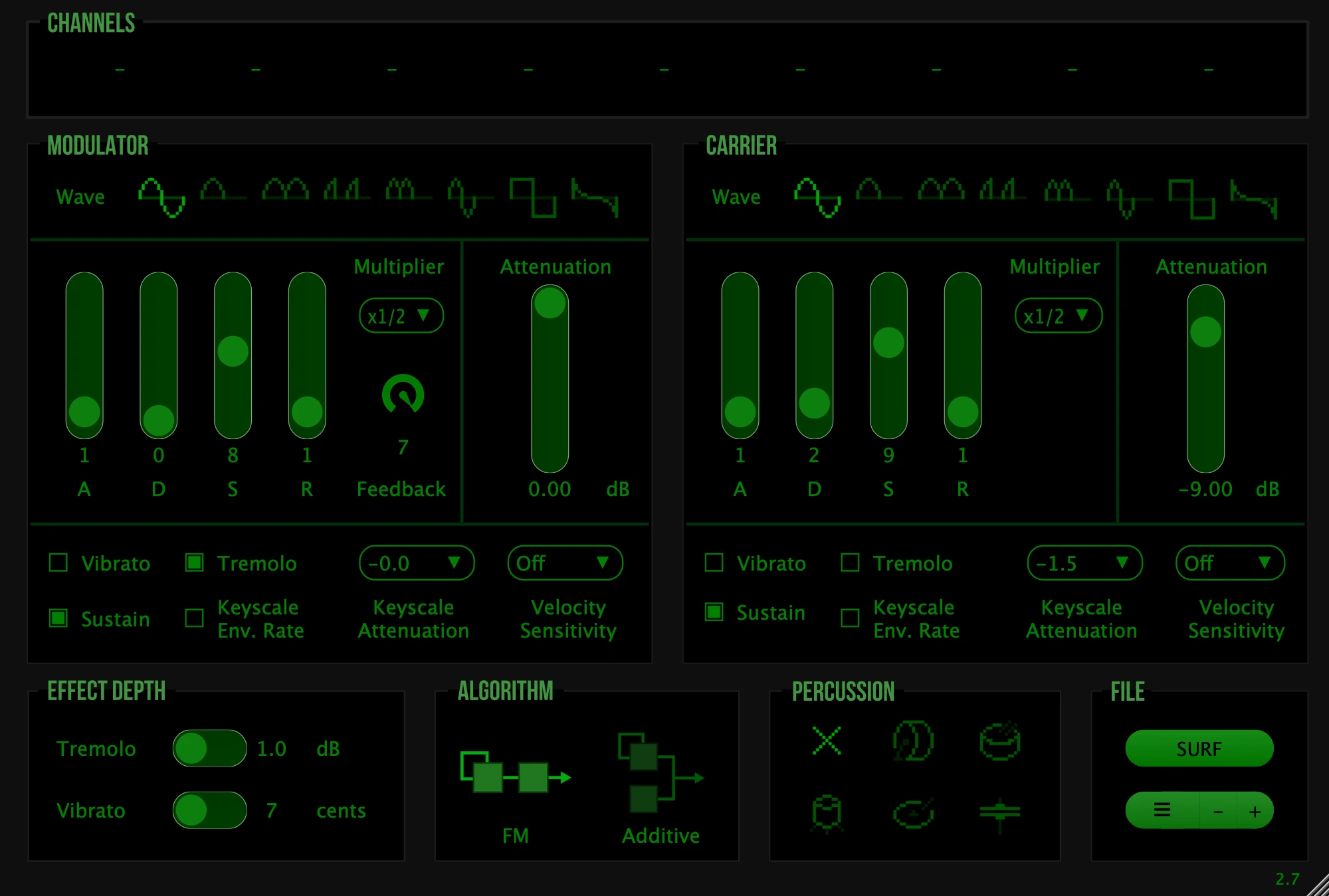
Version 1.3 features OpenWurli 0.3, a significant upgrade to the Wurlitzer 200A physical modelling engine. The analytical preamp model has been replaced with a melange-generated 12-node DK circuit solver for a closer match to real hardware nonlinearity. The sine LFO tremolo oscillator has been replaced with a Twin-T circuit tremolo oscillator running at a fixed ~5.6 Hz rate matching the original hardware. Post-speaker gain has been recalibrated from +13 dB to +10.5 dB to match Brad Avenson's 2–7 mV measurement.
Additionally, the libresample library has been replaced with the Speex resampler (quality 5), improving SNR from 75 dB to 107 dB at the same CPU cost.
Improvements
Bug Fixes
Retromulator is free with optional $29 USD support license.
discoLink Cross-Plugin Data Transport Framework
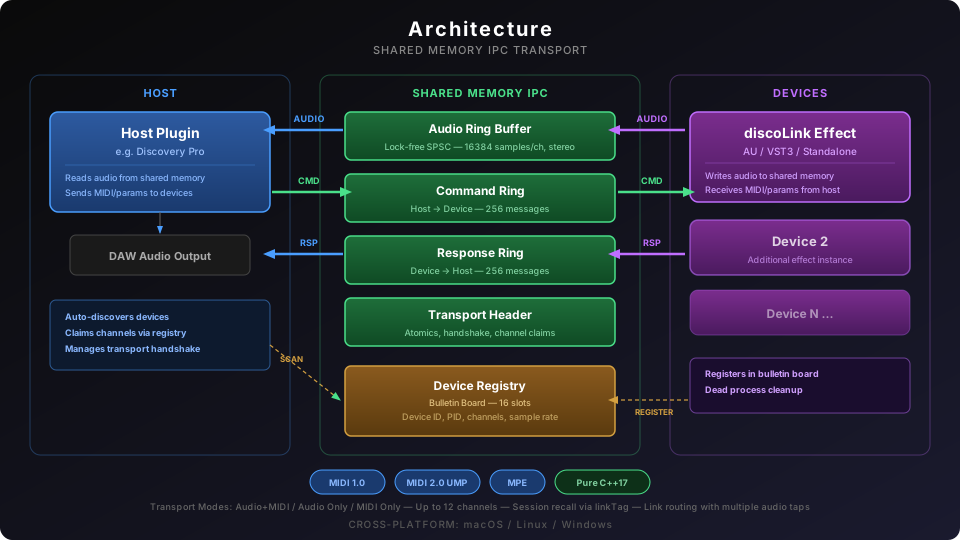
discoLink is an open-source cross-plugin data transport framework enabling real-time audio streaming and bidirectional MIDI/parameter control between independent processes via lock-free shared memory IPC. Pure C++17 with zero dependencies, released under the MIT License.
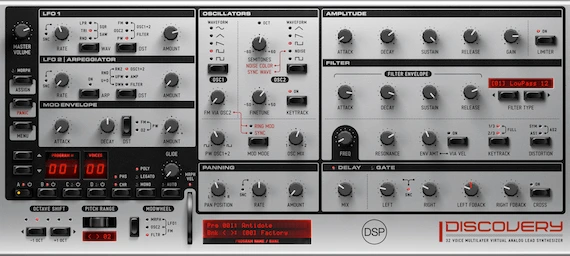
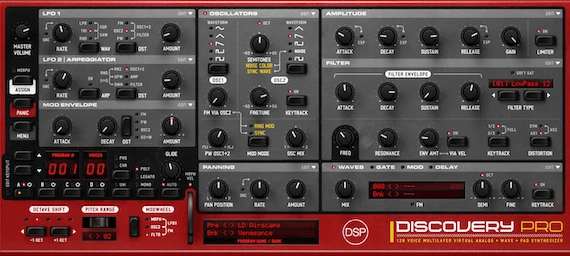
discoLink uses plugin instances (can be on the same DAW channel): a Host Plugin (e.g. Discovery Pro) that reads audio from shared memory and sends MIDI commands, and a discoLink Effect that writes audio to shared memory and receives commands. Audio flows through lock-free ring buffers with near-zero latency. The same architecture works across separate OS processes — a standalone synth, effect, etc. can register as a device, and a DAW plugin can discover and connect to it automatically.
Key Features
discoLink is free and open source under the MIT License.
Source code: github.com/reales/discolink